
The Allure of Bright Lights and Sounds
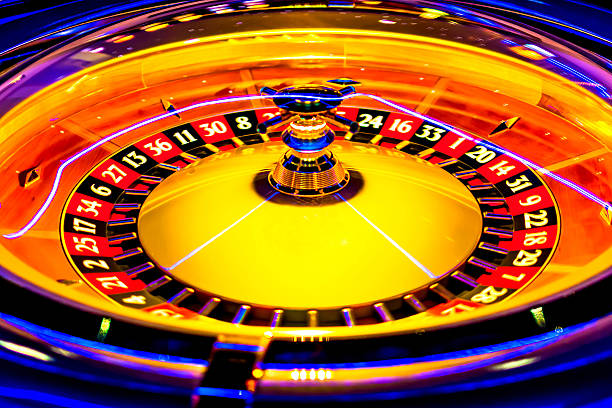
The vibrant atmosphere of casinos is meticulously designed to draw players in and keep them engaged. The combination of bright lights and enticing sounds creates an exhilarating environment that stimulates excitement. Each spin of the slot machine or the roll of the dice is accompanied by auditory cues that heighten anticipation, making players feel as though they are on the brink of a win. This sensory overload is not merely for show; it plays a crucial role in reinforcing behavior and encouraging prolonged play. For those interested in gaming and entertainment, exploring options like canada casino can provide insights into responsible practices.

Moreover, research in psychology suggests that our brains are wired to respond to such stimuli. The reward system becomes activated with every near-win situation, making it difficult for players to walk away. Casinos leverage this principle, ensuring that the atmosphere is consistently engaging, which can lead to extended gaming sessions. This strategic approach capitalizes on human psychology to keep players returning for more.
The Power of Reinforcement and Schedules
Casinos also use sophisticated reinforcement schedules to encourage continued play. By offering intermittent rewards—such as small wins intermixed with losses—players are conditioned to keep trying their luck in hopes of hitting the jackpot. This variable reinforcement schedule is akin to how slot machines are designed. Players never know when they might strike it rich, which compels them to keep playing.
This psychological tactic is deeply rooted in behaviorist theories, where the unpredictability of rewards creates a powerful urge to gamble. The elation from a sudden win reinforces the behavior, making players more likely to return. This cycle of reward and the anticipation of potential gains effectively traps players in a loop that is difficult to break.
The Role of Personalization and Gamification
In today’s digital age, casinos are increasingly employing technology to personalize the gaming experience. By analyzing players’ habits and preferences, they can tailor rewards and promotions to individual users, making the experience feel unique and engaging. This personalization not only enhances the enjoyment of the game but also creates a sense of loyalty, as players feel recognized and valued.
Gamification elements, such as leaderboards and achievement badges, further enhance this experience. Players are motivated not only by the prospect of monetary gain but also by the desire to achieve higher status within the gaming community. The combination of these psychological triggers creates a deeper emotional investment, making it less likely for players to stop participating.
The Illusion of Control
Another psychological aspect that casinos exploit is the illusion of control. Many games give players a sense of influence over the outcome, whether it’s through the choices they make in card games or the timing of their bets. This feeling of control can be incredibly compelling, as players believe their decisions can lead to success.
However, this perception often leads to overconfidence and increased playtime. Players may continue betting, convinced they can influence the outcome in their favor, despite the inherent randomness of the games. This psychological manipulation heightens engagement and can result in extended periods of gambling, which is exactly what casinos aim for.
Conclusion: Understanding Casino Psychology
Understanding these psychological tactics used by casinos is crucial for anyone who enjoys gaming responsibly. Awareness of how sensory elements, reinforcement schedules, personalization, and the illusion of control can influence behavior allows players to make informed decisions and manage their gambling habits effectively.
By recognizing these strategies, individuals can maintain a healthy relationship with gaming and avoid the potential pitfalls associated with excessive play. It’s essential to strike a balance between enjoyment and responsibility, ensuring that the thrill of the game remains a source of entertainment rather than a source of stress.